Ex-tenant calls out “misleading” AI property listings
A former tenant of a recently sold house in Norwich has criticised estate agents that use AI-staged photographs, claiming they gave a “misleading” impression of her previous home.
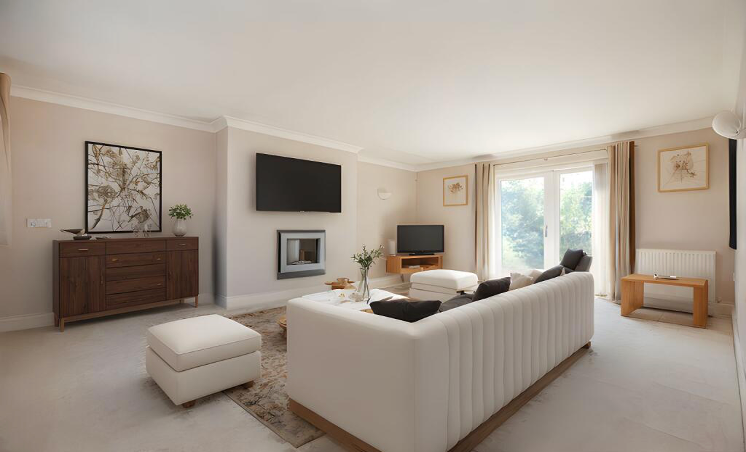
Some housing agents in the region are using artificial intelligence to computer-generate furniture in the photographs of property listings.
This can sometimes include alterations to a room’s size, and the walls and floors of a property, improving, or sometimes removing completely, any appearance of damage.
Lauren Rice, who rented the house on Unthank Road with her partner, discovered the property had been listed for sale on Rightmove as she was moving out. When she checked the advert, she found the images had been digitally altered.
The use of AI in advertising the property had not been stated in the property’s description. There is currently no UK legislation which requires housing agents to state that AI has been used to alter images.
Miss Rice said, “It did go up, first of all, with pictures of how it looked like with our furniture in it, but then about a week after we moved out and it became empty, they reposted with AI photos.
“A lot of the pictures just presented the house in a much better condition than it was in, basically."
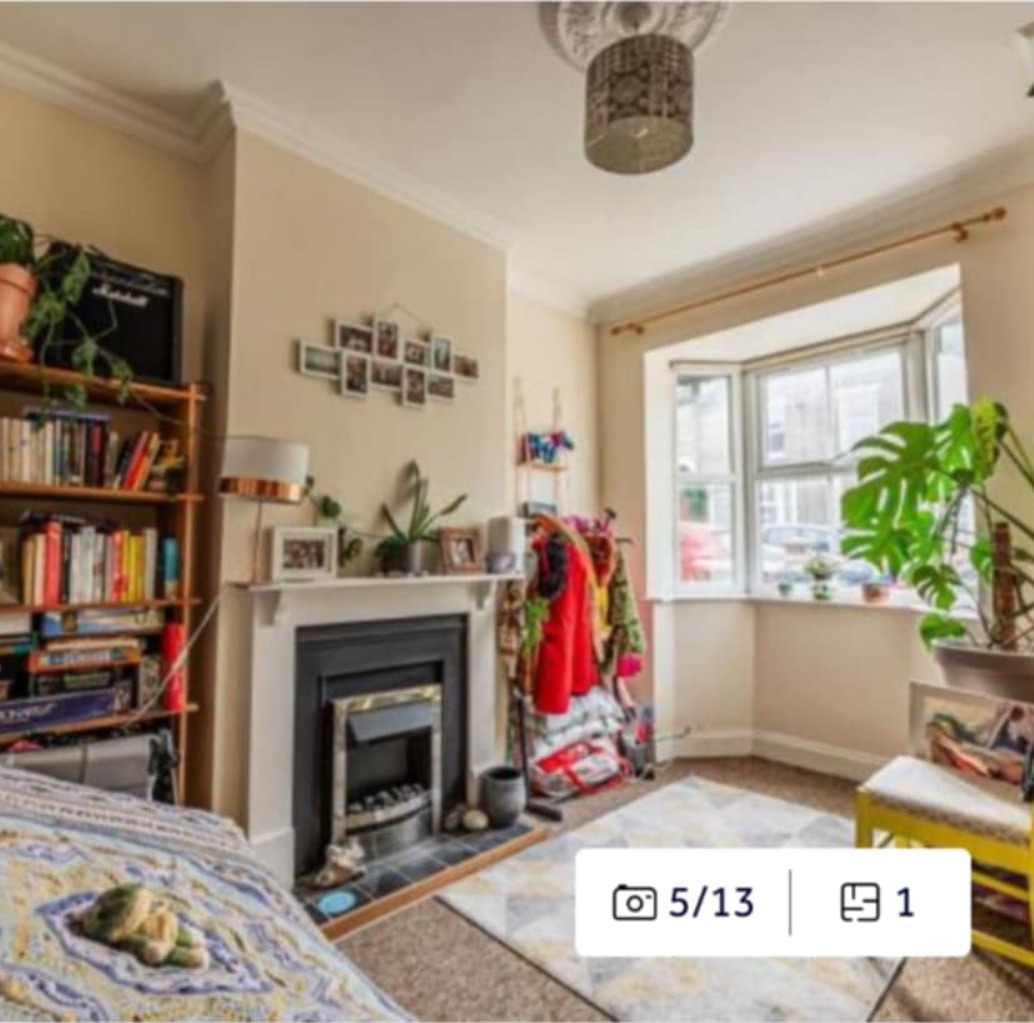
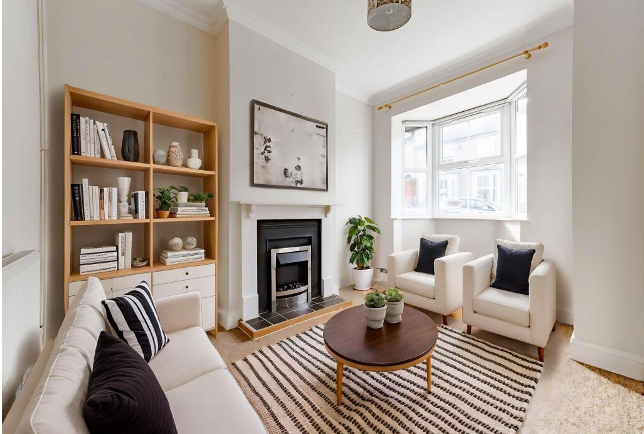
“I wouldn't say it was in a bad condition overall, but the way that the AI pictures made it look that it was freshly renovated, you couldn’t see any of the damage. “
Miss Rice said that the housing agent, Minors and Brady, advertised multiple rooms to be more spacious than their actual size.
“It was just very obvious that the AI furniture was the wrong dimensions for the actual size of the room. It was definitely misleading.
“The room they advertised to be the living room, they’d put in a big three-seater sofa and a couple of armchairs, but we had a small two-seater sofa and tried to fit that in the room before and it wouldn’t even fit in the room like that.”
In the office room, the flooring had also been partially wooden, partially carpeted, which would have been a mistake made by the AI technology used.
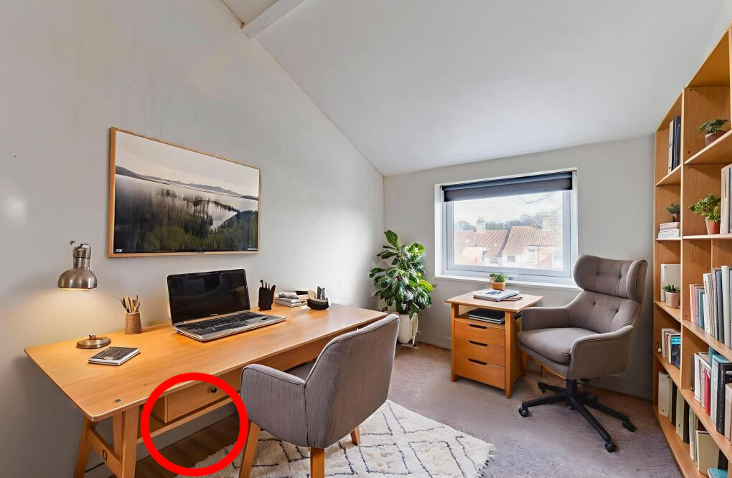
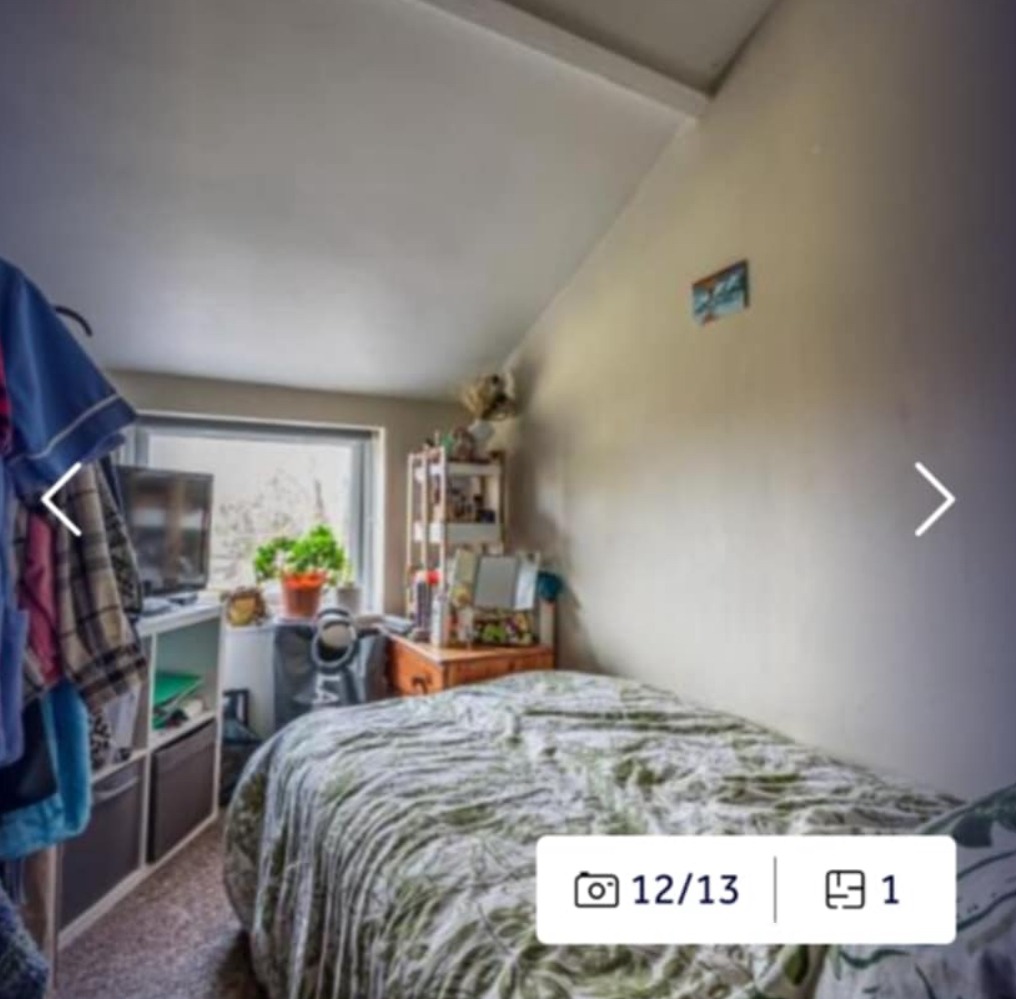
Miss Rice's partner, who would prefer not to be named, e-mailed Minors and Brady when the listing was advertised using the AI-staged photographs.
Miss Rice said, “She said she was concerned about the usage of AI not accurately representing the house around March time, around a month after it had gone up.
“We didn’t get a reply to that or anything, it was just ignored, and they didn’t update the description.
“If I was to use an estate agent again, I wouldn’t want to use one that uses AI because I don’t think it would be an accurate representation.”
Minors and Brady were contacted regarding Miss Rice’s claim.
Ryan Martin, a spokesperson for Minors and Brady, said:
“We are unable to comment on specific properties.
“We always endeavour to ensure all our listings are factual and act within the regulations as set out by The Property Ombudsman Code of Practice.”
Co-founder Jamie Minors also said in a statement:
“AI furniture staging is now more widely used, with an aim to show a buyer what an empty room may look like.
“It is company policy to ensure all adverts state whether a property has had AI furniture added.
“All buyers must view a property prior to making a formal offer and agreeing a sale, therefore the consumer can clearly see what they are purchasing prior to making any commitments.”
The house that Miss Rice was renting was sold in July, 7 months after it initially went up on the market.
“I did notice they changed the AI photos after a few months, still using AI but they were slightly more realistic, you could see more of the damage.
“Perhaps the fact that it was on the market for such a long time made a difference in the way they presented it.”
An anonymous viewer in Mulbarton found a property advertised on Rightmove by the housing agent, Hammond and Stratford. The use of AI was stated in the caption.
The bungalow, on Kenningham Close, has since been sold. The viewer, who would prefer not to be named, said:
“It’s entirely empty, dated and tired. Nearly all the images are full or partial AI, and it’s common practice now.”
“The use of AI is justified in the fact that it’s the same as showhoming.”
Rightmove said:
“The property images that agents use must not be misleading, and must accurately represent the property.”
The Property Ombudsman, who investigate formal complaints against property agents and professionals, said:
“Estate agents must take all reasonable steps to ensure that all statements they make about a property, including imagery, are accurate and do not mislead potential buyers, as set out in the Digital Markets, Competition and Consumers Act 2024 and our Codes of Practice.”
The DMCC Act prohibits misleading practices, but does not mandate the disclosure of AI-generated content in property listings.
With no specific UK legislation on AI disclosure, buyers and renters are warned that property photos online may not fully match what they see in person.
Post a comment